
By Eagle Tech Corp
August 2026 • 8-minute read
Quick Answer
Building an annual IT budget shouldn't be an exercise in predicting the next technology emergency. For nonprofit organizations with 15 to 80 employees, the most effective budgets are built around organizational goals, predictable operational expenses, and long-term planning—not unexpected repairs.
A well-planned technology budget should account for managed IT services, cybersecurity, Microsoft 365, hardware replacement, and strategic technology initiatives. Most importantly, it should provide leadership with confidence that technology investments support the organization's mission while reducing financial surprises throughout the year.
Key Takeaways
- Build your IT budget around your mission, not just your technology.
- Plan for predictable monthly expenses instead of emergency repairs.
- Treat cybersecurity as a core operating expense.
- Replace technology on a schedule instead of waiting for failures.
- As AI becomes part of everyday work, ensure your cybersecurity and governance evolve alongside it.
Boardroom Brief
Technology is no longer simply an operational expense—it is a strategic investment that touches every department within your organization. A proactive IT budget allows nonprofit leaders to make informed decisions, improve cybersecurity, reduce unexpected costs, and ensure technology continues to support their mission for years to come.
Start with Your Mission, Not Your Technology
One of the biggest mistakes we see is organizations beginning their budget discussions with a list of computers that need replacing or software licenses that are about to renew.
Instead, start by asking a different question:
What does our organization need to accomplish over the next 12 to 24 months?
Perhaps you're expanding services into another community. Maybe you're hiring additional staff, launching a fundraising initiative, or supporting a more remote workforce. These organizational goals should shape your technology investments—not the other way around.
When technology planning starts with your mission, budgeting becomes a strategic exercise rather than a reactive one.
Think Beyond Monthly IT Costs
Many nonprofit leaders naturally focus on the monthly cost of managed IT services because it's one of the most visible technology expenses.
However, your annual IT budget should reflect the entire technology ecosystem.
Beyond ongoing support, organizations should plan for cybersecurity improvements, Microsoft 365 licensing, hardware lifecycle management, staff training, internet connectivity, backup and disaster recovery, and future technology initiatives.
Looking at technology holistically helps eliminate the cycle of unexpected purchases that often disrupt nonprofit budgets.
Cybersecurity Is No Longer Optional
Several years ago, many organizations viewed cybersecurity as something they could improve "when the budget allowed."
Today, the conversation has changed.
Cybersecurity protects donor information, financial records, employee data, and the systems your organization relies on every day. It also plays an increasingly important role in cyber insurance eligibility and grant requirements.
The most successful nonprofit organizations don't treat cybersecurity as a separate project. They build it into every technology decision they make.
Plan for Technology Before It Fails
Every computer, firewall, wireless access point, and server has a useful life.
Waiting until equipment fails often creates unnecessary stress, emergency purchases, and unexpected downtime.
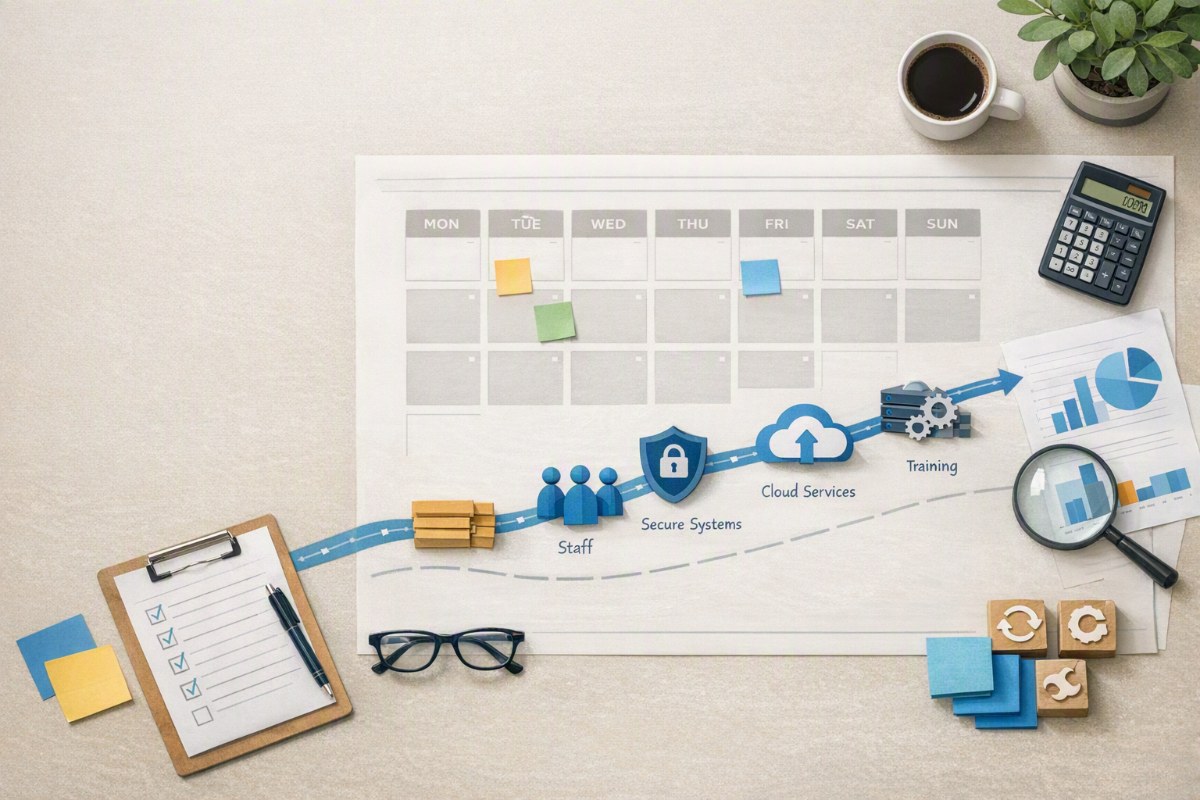
Instead, develop a technology roadmap that identifies when major systems are likely to require replacement over the next three to five years.
This allows leadership to spread investments across multiple budget cycles while avoiding disruptive surprises.
Invest in People, Not Just Technology
Technology alone does not create a secure organization.
Employees remain one of the most important parts of every cybersecurity strategy.
Regular training helps staff recognize phishing attempts, protect sensitive information, and use technology more confidently. It also improves the return on your technology investments by ensuring employees understand the tools available to them.
Organizations that invest in both technology and people often experience stronger security and greater productivity.
Eagle Insight
One of the most valuable conversations we have with nonprofit leaders isn't about technology—it's about predictability.
When organizations move from reactive IT support to proactive planning, technology becomes easier to budget, easier to manage, and far less disruptive. Instead of asking, "How do we pay for this emergency?" leadership can focus on how technology supports fundraising, operations, and long-term organizational growth.
AI Consideration
Artificial intelligence is quickly becoming part of everyday nonprofit operations, whether through Microsoft Copilot, AI-assisted grant writing, meeting summaries, or productivity tools.
The cost of these platforms is only one part of the equation.
Before expanding AI across your organization, make sure your Microsoft 365 environment is properly secured, user permissions are reviewed, and employees understand how to use AI responsibly. In many cases, the larger investment isn't the AI software itself—it's building the secure technology foundation that allows your organization to adopt AI with confidence.
Frequently Asked Questions
How often should our nonprofit review its IT budget?
Technology budgets should be reviewed annually as part of your budgeting process. It's also wise to revisit your plan whenever your organization experiences significant growth, opens a new location, receives major funding, or adopts new technology.
Should cybersecurity have its own budget?
Cybersecurity should be considered a core operating expense rather than an optional line item. Every technology investment should support the confidentiality, integrity, and availability of your organization's information.
How do we avoid unexpected IT expenses?
The best way to reduce surprises is through proactive planning. Maintaining a technology roadmap, replacing hardware before it fails, and working with a proactive Managed IT provider can significantly improve budget predictability.
Should AI have its own budget?
For most nonprofits, AI does not require a separate budget category. It should be incorporated into existing technology planning alongside Microsoft 365, cybersecurity, staff training, and governance.
Ready to Build a Smarter IT Budget?
Whether you're preparing next year's budget, evaluating your current technology strategy, or looking for a proactive Managed IT partner, Eagle Tech Corp can help you develop an IT roadmap that aligns with your mission, strengthens your cybersecurity, and supports your long-term goals.